Our ADHD service is delivered by a multidisciplinary team of experienced medical doctors.
All assessments are conducted by GMC-registered clinicians, 80% with 8+ years' experience, aligned with NICE guidance.
What is your journey into MD, and what inspired you to specialise in ADHD?
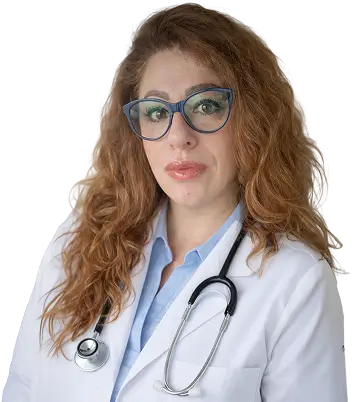
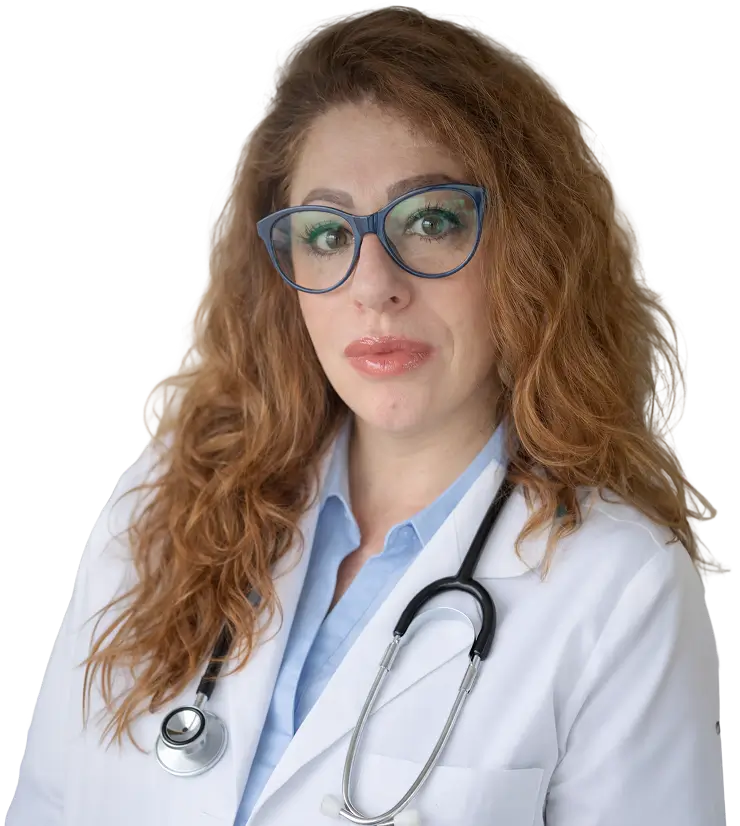
I qualified in Medicine and Surgery at the University of Chile and have spent over two decades practising across Spain, Chile, Senegal, and the UK. My career has taken me through emergency care, paediatrics, general practice, and specialist psychiatric services — including NHS general adult, forensic, and child and adolescent mental health settings across Wales and England. I began seeing ADHD patients in 2021 as part of my Locum Consultant Psychiatrist role in community mental health teams across South Wales. Alongside autism spectrum disorder and trauma presentations, ADHD quickly became a special interest as I witnessed the extraordinary demand, long NHS waiting lists, and the urgent need for skilled, compassionate specialists. I have completed all RCPsych CPD modules on ADHD available since 2021 to stay at the forefront of this evolving field.
What is your philosophy or approach when it comes to treating ADHD?
My approach is holistic, patient-centred, and deeply personalised. I believe in treating the individual — not just the diagnosis. ADHD rarely exists in isolation; it overlaps with autism, trauma, anxiety, and mood difficulties, and I work to understand each person's unique constellation of experiences. I draw on advances in neuroscience and genetics to optimise pharmacological treatment, while also exploring the role of lifestyle, environment, human connection, and purpose in wellbeing. Having spent time living with aboriginal communities in Chile and in Senegal, I have a profound respect for how culture, community, and nature shape health. My goal is always to help patients find meaning, balance, and agency — not simply to manage symptoms.
How do you see telepsychiatry improving access to ADHD care?
ADHD is dramatically underdiagnosed and undertreated, particularly in adults. NHS waiting lists across Wales and England can stretch to years, leaving people without support at critical points in their lives. Telepsychiatry changes this. It removes geographical barriers, makes assessment and follow-up genuinely accessible for people with demanding schedules, sensory sensitivities, or social anxiety — all common in the ADHD population — and enables continuity of care regardless of where a patient lives. As someone who has worked across multiple community teams and seen the scale of unmet need first-hand, I am strongly committed to digital models that bring timely, high-quality psychiatric care to people who need it most.
What's one thing you hope your patients feel after their first session with you?
Heard. Genuinely, completely heard. So many adults with ADHD arrive at their first appointment carrying years of misunderstanding — from schools, workplaces, families, and sometimes previous clinicians. They have often been told they are lazy, disorganised, or difficult. My first priority is to create a space where the person in front of me feels respected, seen, and free to speak honestly. Everything else — assessment, formulation, treatment planning — flows from that foundation of trust. I want my patients to leave that first session with a sense that their struggles make sense, that they are not alone, and that there is a clear path forward.
What would you like to share with your patients as you begin this journey with FasTreat?
I want patients to know that reaching out for support is a courageous step, and I take the responsibility of accompanying that journey very seriously. Working with FasTreat allows me to offer timely, specialist ADHD care that is genuinely accessible — without the long delays that cause so much unnecessary suffering. I bring over two decades of clinical experience, a multilingual and multicultural perspective, and a deep personal commitment to the wellbeing of every person I work with. Whether you are newly wondering about ADHD or have been navigating it for years, I look forward to working with you — openly, collaboratively, and with compassion at the centre of everything.
If you could describe your approach to ADHD care in three words, what would they be?
In one sentence, what does ADHD support mean to you?
ADHD support means helping each person understand their own mind, build on their strengths, and access the tools and care they need to live a life that feels genuinely their own.