







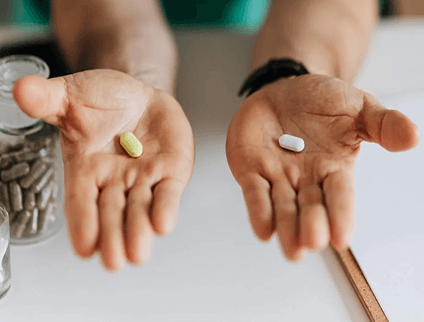


Managing a child with ADHD often feels like navigating a maze without a map. While medication frequently takes center stage in treatment plans, food choices play a surprisingly loud, yet often overlooked, role in daily behavior. Determining the right fuel for a developing brain creates a powerful, frequently untapped lever for better focus and emotional regulation.
The Glucose Rollercoaster: Why Breakfast Matters
Imagine filling a high-performance sports car with low-grade fuel. The engine might sputter, stall, or run erratically. A child’s brain works in much the same way. When breakfast consists mainly of sugary cereals, pastries, or juice, blood glucose levels can rise rapidly. That spike may produce a brief burst of energy, but it is often followed by a drop soon afterwards.
That post-spike drop may be one reason some children become irritable, restless, or less able to concentrate later in the morning. Rapid changes in blood glucose may affect attention and behaviour in some children, although evidence directly linking glycaemic load to core ADHD symptoms remains limited. Some small studies suggest that lower-glycaemic breakfasts may support more stable attention and energy levels, but the overall evidence base is still developing.
Protein acts as an anchor. A breakfast rich in protein, such as eggs, Greek yogurt, or nut butters, can help slow digestion and support steadier blood sugar levels across.
The Western Diet vs. Brain Health
Zooming out from a single meal, overall dietary patterns paint a compelling picture. The "Western" diet, famous for processed meats, high sugar intake, and convenience foods, correlates strongly with increased ADHD diagnoses. Children consuming highly processed, high-sugar diets are more likely to meet criteria for ADHD, though these findings do not establish causation.
Conversely, a "healthy" eating pattern, often resembling the Mediterranean diet, appears protective. Diets rich in fruits, vegetables, and fish are inversely associated with ADHD symptoms. Reducing the intake of "junk" food does more than just help physical health; such a shift reduces systemic inflammation. Inflammation can cross the blood-brain barrier, potentially disrupting dopamine signaling and frontal cortex function, areas already compromised in ADHD.
The "Southampton Six": Artificial Colors and Hyperactivity
Few topics in nutrition spark as much debate as artificial food colors (AFCs). Yet, the evidence is becoming harder to ignore. A landmark study from the University of Southampton identified a specific mixture of dyes—including Red 40, Yellow 5, and Yellow 6—that increased hyperactivity in children, regardless of whether they had an ADHD diagnosis.
These additives are often found in candy, sports drinks, and even pickles. The effect size might seem small in statistical terms, but for a child teetering on the edge of self-control, removing dyes can be the difference between a good day and a meltdown. The European Union took these findings seriously enough to mandate warning labels on foods containing these specific dyes.
Sodium benzoate, a common preservative in soda and fruit juices, also appears on the suspect list. High intake of beverages rich in sodium benzoate in mixtures with other compounds has been linked to increased ADHD-related symptoms. For families who suspect a dietary trigger, a short, structured elimination trial under professional guidance may help clarify whether symptoms improve.
The Omega-3 Connection: Oiling the Gears
If the brain is an engine, healthy fats are the oil keeping the gears turning smoothly. The brain is approximately 60% fat, and it craves polyunsaturated fatty acids (PUFAs) to maintain the fluidity of neuronal membranes. Omega-3 fatty acids, specifically EPA and DHA, are critical for efficient neurotransmitter transmission.
Children with ADHD frequently show lower levels of Omega-3s in their blood compared to their neurotypical peers. The "Omega-3 Index" negatively correlates with learning and language difficulties—meaning lower levels track with higher symptom severity.
Supplementation can help, but grabbing any fish oil off the shelf might not yield results. The ratio matters. Formulations with a higher concentration of EPA (eicosapentaenoic acid) compared to DHA tend to be more effective for behavioral regulation. Experts often suggest a ratio where EPA is double the amount of DHA to maximize benefits. While not a replacement for medication, Omega-3s serve as a potent adjunctive tool to support cognitive function.
That said, diet should be viewed as a supportive strategy rather than a primary treatment for ADHD. Omega-3 supplementation is not a substitute for evidence-based care, such as behavioral therapy, school accommodations, and, when appropriate, medication. Instead, it may serve as a useful adjunct within a broader treatment plan to support overall cognitive and behavioral health.
The Invisible Deficiencies: Zinc, Iron, and Magnesium
Even with a full stomach, a child can be "starving" on a cellular level. Micronutrients act as cofactors, essentially the "helpers", for the enzymes that build neurotransmitters like dopamine. When these helpers are missing, production slows down.
Zinc stands out as a key player. It regulates the dopamine transporter, the very system that stimulant medications target. Research consistently finds lower zinc levels in children with ADHD. Supplementing zinc, especially in those with a deficiency, has been shown to reduce hyperactivity and impulsivity.
Iron tells a similar story. Iron deficiency alters dopamine receptor density. Low serum ferritin levels (a marker of iron storage) are common in ADHD cohorts. However, a warning is necessary here: unlike water-soluble vitamins, iron can be toxic in excess. A blood test to confirm deficiency is mandatory before adding an iron supplement to a child's routine.
Magnesium, the "relaxation mineral," also deserves a mention. Lower magnesium levels track with higher symptom severity. Some studies even suggest that magnesium supplementation, particularly when combined with Vitamin D, can reduce conduct problems and emotional dysregulation.
Navigating the Picky Eater Paradox
Knowing what to eat is one thing; getting a child to eat it is another battle entirely. Children with ADHD are notoriously picky eaters. Sensory processing issues can turn certain textures into non-starters. Furthermore, the ADHD brain, always seeking dopamine, naturally craves the immediate "hit" of sugar and carbs over the subtle satisfaction of broccoli.
Fighting over every bite usually backfires. Instead, focus on "food chaining." If the child loves French fries, try offering baked potato wedges, then eventually roasted cauliflower. The visual presentation matters, too. A "bento box" lunch with small, colorful compartments of food is often more appealing than a single large pile of greens.
Hiding veggies in smoothies or sauces is a valid strategy to boost nutrient intake without the drama. Spinach blends seamlessly into a berry smoothie, masking the taste while delivering magnesium and iron. The goal is progress, not perfection. Expanding the palate takes time, patience, and repeated, low-pressure exposure.
Elimination Diets: A Nuclear Option?
For families seeing no improvement with standard changes, elimination diets offer a more rigorous investigative path. The "Few-Foods Diet" (or Oligoantigenic Diet) involves stripping the menu down to a handful of hypoallergenic foods, like rice, turkey, and pears, for a few weeks. If behavior improves drastically, foods are reintroduced one by one to catch the culprit.
While highly effective for a subset of children, such a regimen is incredibly demanding and socially isolating. It requires strict medical supervision to avoid nutritional gaps. Most families find that removing the "big offenders", such as dyes, excessive sugar, and perhaps gluten or dairy, offers a more sustainable balance between symptom management and quality of life.
Summary
Nutrition acts as a foundational pillar for managing ADHD symptoms. From stabilizing blood sugar with protein to eliminating artificial dyes, small dietary shifts yield significant benefits. While not a cure, a nutrient-dense menu empowers the brain to function at peak potential. Parents should consult a healthcare provider before starting supplements, but improving the daily menu remains a safe, immediate step toward better focus.